Cats are often seen as independent, low-maintenance companions—but that doesn’t mean they don’t need proper care, attention, and understanding. Whether you’re a first-time cat parent or a seasoned feline fanatic, it’s easy to fall into certain habits that might not be in your cat’s best interest. Some of these mistakes are surprisingly common—and even well-meaning owners make them.
In this post, we’re diving into 12 of the most frequent missteps cat owners make and, more importantly, how to steer clear of them. From litter box blunders to feeding faux pas, we’ll help you create a happier, healthier life for your feline friend. Let’s get started!
1. Skipping Regular Vet Visits
The mistake: Assuming indoor cats don’t need checkups.
Why it’s a problem: Cats are masters at hiding illness. Without regular vet visits, early signs of disease can go unnoticed.
What to do instead: Schedule annual checkups—even for indoor cats. Older cats may need biannual visits to catch age-related conditions early.
2. Feeding the Wrong Diet
The mistake: Feeding only dry food or low-quality brands.
Why it’s a problem: Many dry foods are high in carbs and can contribute to obesity, diabetes, and urinary problems.
What to do instead: Feed a balanced, high-protein diet that includes wet food. Talk to your vet about your cat’s specific nutritional needs.
3. Ignoring Dental Health
The mistake: Not caring for your cat’s teeth.
Why it’s a problem: Dental disease is painful and can lead to infections and other health issues.
What to do instead: Brush your cat’s teeth if they tolerate it, or use dental treats, gels, or vet-recommended diets designed for oral health.
4. Using the Wrong Litter Box Setup
The mistake: Having too few litter boxes or placing them in inconvenient spots.
Why it’s a problem: This can cause stress and lead to accidents outside the box.
What to do instead: Follow the “one box per cat, plus one” rule. Place boxes in quiet, accessible areas and scoop daily.
5. Declawing
The mistake: Thinking declawing is a harmless solution to scratching.
Why it’s a problem: Declawing is an amputation that can lead to chronic pain and behavioral issues.
What to do instead: Provide scratching posts and trim claws regularly. Soft nail caps are another alternative.
6. Not Providing Enough Enrichment
The mistake: Thinking cats don’t need stimulation.
Why it’s a problem: Bored cats can become anxious, destructive, or depressed.
What to do instead: Offer toys, climbing spaces, window views, and interactive playtime. Rotate toys to keep things fresh.
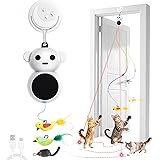
Interactive Cat Toys for Indoor Cats: 2 in 1 Laser Pointer Cat Toy with Automatic Flying Bird & Mouse Wand, Smart Motion Mode Adjustable Speed, USB Rechargeable Safe for Bored Kittens and Adult Cats
$25.64 (as of December 10, 2025 23:47 GMT +00:00 – More infoProduct prices and availability are accurate as of the date/time indicated and are subject to change. Any price and availability information displayed on [relevant Amazon Site(s), as applicable] at the time of purchase will apply to the purchase of this product.)
A Freschi srl Turkey Tendons for Dogs, USA-Sourced, Healthy Dog Treats, Rawhide-Free Puppy Chews, Long Lasting, All Natural, Hypoallergenic Dog Treats for Small Breeds, 8 oz Pack Bone (S)
$42.99 (as of December 11, 2025 05:38 GMT +00:00 – More infoProduct prices and availability are accurate as of the date/time indicated and are subject to change. Any price and availability information displayed on [relevant Amazon Site(s), as applicable] at the time of purchase will apply to the purchase of this product.)
INABA Churu Cat Treats, Lickable, Squeezable Creamy Purée Cat Treat with Vitamin E, 0.5oz Each Tube, 22 Tubes, Holiday Variety Pack
$12.99 (as of December 10, 2025 23:47 GMT +00:00 – More infoProduct prices and availability are accurate as of the date/time indicated and are subject to change. Any price and availability information displayed on [relevant Amazon Site(s), as applicable] at the time of purchase will apply to the purchase of this product.)
GoTags Stainless Steel Pet ID Tags, Personalized Dog Tags and Cat Tags, up to 8 Lines of Custom Text, Engraved on Both Sides, in Bone, Round, Heart, Bowtie and More (Bow Tie, Small (Pack of 1))
$8.95 (as of December 11, 2025 05:38 GMT +00:00 – More infoProduct prices and availability are accurate as of the date/time indicated and are subject to change. Any price and availability information displayed on [relevant Amazon Site(s), as applicable] at the time of purchase will apply to the purchase of this product.)
3 Pack Dog Sweaters for Small Dogs Girl Boy Winter Fleece Clothes Warm Soft Dog Sweatshirt Outfit for Dogs Cats Pet Apparel (Khaki, XX-Small)
$25.99 (as of December 11, 2025 05:38 GMT +00:00 – More infoProduct prices and availability are accurate as of the date/time indicated and are subject to change. Any price and availability information displayed on [relevant Amazon Site(s), as applicable] at the time of purchase will apply to the purchase of this product.)7. Letting Cats Roam Outdoors Unsupervised
The mistake: Allowing your cat to wander outside alone.
Why it’s a problem: Outdoor cats face dangers like traffic, predators, parasites, and disease.
What to do instead: Consider a “catio” (cat patio), leash training, or supervised outdoor time in a secure space.
8. Misunderstanding Cat Body Language
The mistake: Interpreting cat behavior like dog behavior.
Why it’s a problem: Misreading signals can lead to stress, bites, or damaged trust.
What to do instead: Learn basic cat body language. A swishing tail, flattened ears, or dilated pupils often mean “back off.”
9. Punishing Instead of Redirecting
The mistake: Yelling or spraying water to stop bad behavior.
Why it’s a problem: This can damage your bond and cause fear or anxiety.
What to do instead: Redirect behavior instead—use toys, positive reinforcement, or changes to the environment to correct issues.
10. Neglecting Routine Grooming
The mistake: Not grooming your cat regularly, especially if they’re long-haired.
Why it’s a problem: Matted fur, hairballs, and skin problems can arise.
What to do instead: Brush your cat weekly (or daily for long-haired breeds). It’s also a great bonding opportunity.
11. Overlooking the Importance of Routine
The mistake: Feeding, playing, or interacting with your cat at random times.
Why it’s a problem: Cats are creatures of habit. Inconsistent routines can lead to stress or behavioral issues.
What to do instead: Stick to a general schedule for meals, playtime, and attention.
12. Assuming Your Cat Is “Just Being Difficult”
The mistake: Writing off behavior changes as stubbornness.
Why it’s a problem: Changes in behavior often signal pain, illness, or stress.
What to do instead: Pay attention. If your cat suddenly starts hiding, skipping meals, or acting out, contact your vet.
- FreshPet Tender Bites Product Review
- Bonkers Licky Tubes – Product Review
- Happy 12th Birthday Dorothy
- 8 Pawsom Ways To Save On Petcare Costs
- Unspoken Rules Of Loving A Cat That Doesn’t Always Show It
Caring for a cat goes beyond food and a litter box—it means tuning in to their needs, respecting their instincts, and creating a safe, enriched environment. By avoiding these 12 common mistakes, you’ll build a stronger, healthier, and more rewarding relationship with your feline companion.
Your cat may not say “thank you,” but the purring, head butts, and affectionate tail wraps? That’s all the gratitude you’ll need.
Thanks for the pointers 😊